Add Row
Add Element
Add Element
  • Home
  • Categories
    • Makeovers DIY
    • Contractor Services DFY
    • Home Experts DWY
    • Smart Home Upgrades
    • Outdoor Living
    • Down Sized Living
    • Featured
    • Community Causes
    • A&A Plumbing
    • Renuity
    • Synergy Systems
October 14.2025
3 Minutes Read

Unlocking the Future: Your Guide to Installing a Smart Lock on uPVC Doors

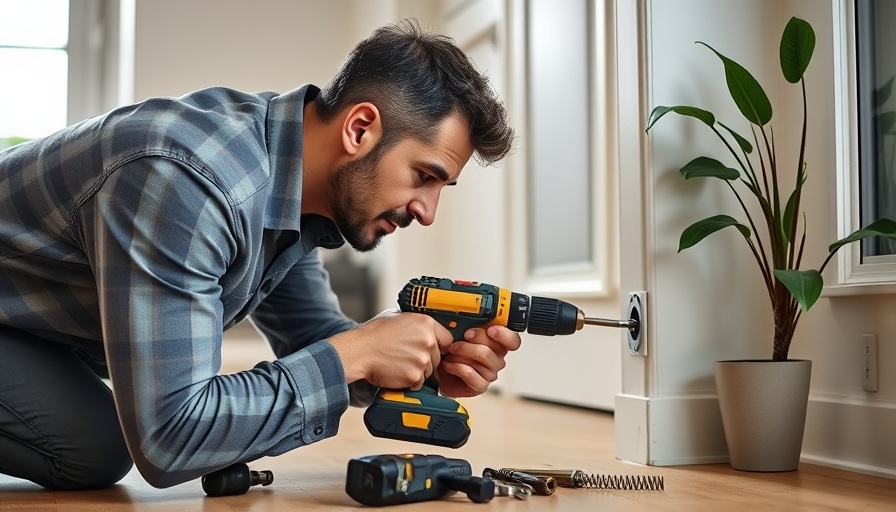
Professional installing a smart lock on a uPVC door inside modern home.

Unlocking the Future: How to Install a Smart Lock on Your uPVC Door

Upgrading your home security can feel like a daunting task, but it doesn’t have to be. With the convenience of smart lock technology, homeowners can enhance their security while enjoying the benefits of a more connected home. If you’re a homeowner considering a smart lock, you may be questioning how best to install one on your uPVC door. Well, you’re in luck!

Yes, you can install a smart lock on a uPVC door, but it’s not as straightforward as swapping out a traditional lock. The complexity arises from the multi-point locking system used in uPVC doors, which engage several bolts along the entire frame. This offers superior security but requires specific smart locks designed for this mechanism.

Compatibility Check: A Crucial First Step

The success of your smart lock installation hinges on choosing the right lock. Here are three key factors to consider:

  • Euro Cylinder: Most uPVC doors feature a Euro cylinder lock. Your smart lock will either replace this cylinder or fit over it.
  • Handle-Up Mechanism: Do you need to lift the handle to engage the lock? If so, you’ll need a smart lock that accommodates this “lift-and-lock” function.
  • Dimensions: Measure your existing lock cylinder, paying close attention to the backset distance and PZ centres.

Without this crucial compatibility check, you risk not only uninstalling your old lock without the means to replace it but also compromising your home’s security.

Step-by-Step Installation Process

Once you’ve confirmed compatibility, follow these simple steps to install your new smart lock:

  1. Remove the Old Cylinder: With the door open, unscrew the retaining screw and use your key to align the cam for removal.
  2. Fit the New Smart Lock: Slide your new smart lock cylinder or housing into the door, ensuring a snug fit, then replace the retaining screw securely.
  3. Attach the Smart Lock Hardware: Follow the manufacturer’s instructions to install the interior and exterior components of your smart lock, which may involve connecting wires.
  4. Calibrate and Test: Once everything is in place, calibrate your lock according to the instructions and test it multiple times to ensure smooth operation.

When to Call a Professional

Not every installation can be handled solo, especially if you find yourself facing any of the following circumstances:

  • You’re uncertain about any of the installation steps.
  • Your existing door or lock cylinder has non-standard dimensions.
  • The multi-point locking mechanism isn’t functioning properly.
  • You wish to integrate your smart lock with an existing smart home ecosystem.

A professional locksmith can ensure your installation is seamless, secure, and functional, allowing you to enjoy the benefits of a smart lock worry-free.

Embracing Smart Technology: The Benefits of Upgraded Security

Beyond just security, smart locks offer a wealth of convenience that can truly enhance your quality of life:

  • Keyless Entry: Say goodbye to fumbling for keys! With a smart lock, you can unlock your door via apps or biometric data.
  • Remote Access: Control your lock from anywhere; let in guests or service professionals without needing to be home.
  • Activity Monitoring: Keep tabs on who’s entering and exiting your home in real-time.
  • Integration with Smart Home Devices: Sync your lock with other smart devices for enhanced automation.

With smart locks providing these multiple advantages, the appeal of home automation is alluring and practical.

Conclusion: Step Towards a Safer Home

Investing in a smart lock is a progressive step toward enhancing your home’s safety and convenience. By following the steps outlined in this guide, you can successfully install a smart lock on your uPVC door, creating a smarter, more secure living space. Should you feel uncertain about the installation process, don’t hesitate to reach out to a professional for assistance—and embrace the peace of mind that comes with modern security solutions!

Ready to elevate your home security game? Contact trusted professionals to assist you with installing your smart lock today!

Contractor Services DFY

6 Views

0 Comments

Write A Comment

*
*
Please complete the captcha to submit your comment.
Related Posts All Posts
03.20.2026

Discover the Real Costs of Whole-House Water Filters in 2026

Update The Cost of Pure Water: Understanding Whole-House Water Filters Are you tired of the chalky taste of hard water or the lingering smell of chlorine in your coffee? If so, a whole-house water filter might be the home upgrade you need! This comprehensive system treats every drop of water that enters your home, offering peace of mind and improved quality of life. But how much does it really cost to install one in the UK in 2026? Why Invest in a Whole-House Water Filter? The simple answer is: Yes, it's worth it, particularly in areas with hard water. Unlike single-tap filters, which can only purify water at chosen outlets, whole-house systems protect your entire plumbing setup. By eliminating minerals and contaminants before they reach your appliances, you can extend their lifespan significantly. Think about it—a single filter might be cheaper upfront, but in the long run, a whole-house system keeps your plumbing and appliances in top shape. Projected Costs in 2026 When budgeting for a whole-house water filter, homeowners can expect to pay anywhere from £400 to £2,500 for the system. Installation costs vary, too: Carbon filtration: £400 - £800 Scale inhibitors: £500 - £1,000 Reverse osmosis (RO): £1,500 - £2,500+ These systems not only improve water quality but can also save you money over time through lower energy bills and fewer appliance repairs. Just 1mm of limescale on a heating element can increase energy use by up to 10%! Installation: What to Expect Installing a whole-house water filter isn’t a simple DIY task. It typically requires cutting into your main water line, demanding a skilled professional for a seamless job. Standard installation usually takes 3-5 hours and can cost between £250 to £500 in labor. For those with tricky plumbing configurations, the labor charge might rise to about £700+. Maintenance: Hidden Costs and Considerations Budgeting doesn’t stop with the initial purchase. Regular maintenance is essential for optimal performance. Replacement cartridges, which cost between £40 and £150 each year depending on usage, typically need changing every 6 to 12 months. Additionally, if you opt for a premium RO system, expect an annual service fee as part of your maintenance plan. Lastly, some advanced systems may also require an electricity supply, which means additional costs could arise if electrical work is necessary. The Importance of Professional Installation Let’s not overlook the importance of hiring a qualified professional. Water systems operate under high pressure, and a small mistake can lead to disastrous leaks. Moreover, a professional installation ensures compliance with UK water regulations and often guarantees product warranties. How a Whole-House Water Filter Saves You Money Investing in a whole-house system ultimately pays off. Beyond providing you with cleaner water, it can lower your annual energy bills and cut down on repair costs for appliances affected by mineral deposits. Additionally, many homeowners find that they can save on conditioners and skincare products once harsh minerals are filtered out. Concluding Thoughts: Pure Water, Pure Value! In conclusion, a whole-house water filter is a significant investment, but one that offers undeniable benefits. Ready to elevate your home’s water quality? Whether you’re in need of a local plumber to handle the installation or someone to service your existing filter, Rated People can connect you with experienced tradespeople.

03.19.2026

Unlock the Benefits: Is Solar Worth It for Electric Vehicle Charging?

Update Is Solar Energy Worth It for Electric Vehicle Charging? As the UK accelerates towards the 2035 ban on new petrol and diesel vehicles, homeowners increasingly find themselves asking how to power their electric cars affordably. The volatile energy prices are prompting many to consider the combination of solar photovoltaic (PV) panels and electric vehicles (EVs). But is this option truly viable? Let’s explore the practicality and benefits of using solar energy for EV charging. The Mechanics of Solar-Powered EV Charging The simple answer to whether solar panels can charge an EV is yes. A typical UK solar setup, consisting of 4kWp to 6kWp panels, can generate enough electricity to cover much of an average driver's daily mileage, which is around 20 miles. However, the effectiveness of this combination hinges on careful planning and timing—especially since most people work during the day when the sun shines brightest. Thus, real savings come from optimizing the charging schedule to align with solar generation. Driving on Sunshine: The Key Benefits Charging your EV with solar energy not only promises significant cost savings but also aligns with growing environmental concerns. Here are a few compelling reasons: Cost Savings: Estimates suggest that combining solar energy with EV charging can lower your annual motoring costs by over £1,000 compared to grid-only charging. With electricity prices continuing to rise, generating your own energy can be a financially sound strategy. Carbon Footprint Reduction: Transitioning to solar not only accentuates the green credentials of your EV but can cut your carbon emissions significantly. By charging your vehicle with sustainable energy, you're contributing to a cleaner environment. Energy Independence: By investing in solar panels, you pre-pay for your fuel, enjoying fixed low costs over the lifespan of your system while shielding yourself against energy market fluctuations. Key Technologies to Optimize Your Solar-EV System To maximize the benefits of charging your EV with solar power, consider integrating these essential components: Smart EV Chargers: Unlike standard chargers that pull electricity from the grid, smart chargers like the Myenergi Zappi can detect when you have excess solar power and use that first, maximizing efficiency. Battery Storage: Systems like the Tesla Powerwall store excess energy generated during the day, allowing homeowners to charge their cars overnight or during periods of low sunlight. Solar Tariffs: Pairing your solar setup with smart energy tariffs can help you capitalize on both selling excess energy back to the grid and charging your car at a lower night rate. Financial Feasibility: Is It Worth the Investment? Investing in a solar and battery system comes with an initial cost ranging from £8,000 to £12,000. However, considering the reduction in running costs, many homeowners find a quick payback period. To illustrate, charging an EV with solar can bring down your cost per mile from an average of approximately 10p to as low as 2p. Not only does this result in monetary savings, but it also illustrates a solid ROI when examined over multiple years. Roof Space and System Size: What You Need to Know Your roof size will heavily influence the system you can install. Generally, a minimum of six solar panels are needed to effectively charge an EV, along with appropriate batteries for night use. Choosing high-efficiency panels, such as monocrystalline options, can maximize energy production even in limited space. The Future: Balancing Benefits Against Alternatives While charging your EV with solar power provides numerous benefits, recent trends show that more homeowners might opt for EV tariffs that allow off-peak charging for lower costs. This trend could change the landscape, but the essence of driving on sunshine remains a potent appeal for those committed to sustainability. Take Action: Transition to Solar Today! Embracing solar energy for EV charging presents a compelling opportunity for UK homeowners seeking to reduce costs and carbon footprints. With the potential to power your vehicle sustainably, now is the time to explore solar options and find local experts ready to assist in your transition to renewable energy. Contact specialists in solar panel installations, and start reaping the benefits of charging your electric vehicle with clean, home-generated energy.

03.17.2026

Locksmith Prices and Emergency Fees: What Homeowners Need to Know

Update Understanding the Costs of Locksmith Services in the UK As a homeowner, encountering a locked door can trigger anxiety and frustration, not to mention the concern of how much it will cost to resolve the situation. Locksmith pricing varies across the UK and is influenced by numerous factors, including the time of day, geographic location, and type of service required. This guide will help arm you with the knowledge to manage these unexpected locksmith expenses. Current Locksmith Pricing Breakdown As of 2026, most locksmiths charge an hourly rate plus any parts needed for the job. Generally, standard working hours will see rates between £68 to £88 per hour, while emergency services during non-business hours can escalate significantly to £125 or beyond for late-night calls. For example: **Standard Hourly Rate:** £68 - £88 **Emergency Call-out:** £85 - £100 **Late-night Service:** £125+ This variability highlights the importance of asking locksmiths for initial quotes and whether their fees include both labour and parts. Factors Influencing Locksmith Costs Several factors can contribute to the final cost of locksmith services. Here are some of the key considerations: Time of Day: Services rendered outside of standard hours (8am - 6pm) significantly increase in cost. Location: Rates in London and the South East tend to be higher compared to Northern regions, with average costs surpassing £200 per hour. Lock Type: More secure locks such as anti-snap cylinders or mortice locks often require additional cost due to their installation complexity. Service Type: Jobs like gaining entry without damaging the lock can be simpler and more cost-effective, whereas replacing intricate or damaged locks involves more labour and parts. Avoiding Hidden Fees: What to Ask Your Locksmith To keep costs transparent and avoid hidden fees, homeowners should prepare a few pertinent questions before hiring a locksmith: Is there a call-out charge? What does the quoted price cover? Are parts included? If the quote is an estimate, what factors could change the final cost? Will the locksmith carry out the work, or will it be subcontracted? Being proactive about these inquiries not only clarifies the pricing structure but also ensures confidence in the quality of service received. When to Call a Locksmith: Navigating Common Scenarios Locksmith services can be sought for various reasons, including but not limited to: **Lost or Stolen Keys:** Changing locks is advisable to maintain security. **Locked Out:** Emergency services can get you back in without damaging your property. **Upgrading Locks:** On-the-fence about changing locks? Investing in high-quality locks may save you money (and headache) in the long run as they deter break-ins and comply with insurance standards. Remember, while trying DIY solutions may be tempting, improper installations can lead to larger security issues or further costs, validating the price of professional help. Conclusion: Security is Worth the Investment Ultimately, the cost of locksmith services is a small price to pay for the security and peace of mind they provide. As you navigate through potential locksmith services, don’t hesitate to utilize platforms like Rated People for efficient comparisons, reviews, and quick connections to qualified professionals. Taking proactive steps can help ensure your home remains safe and secure.

Terms of Service

Privacy Policy

Core Modal Title

Sorry, no results found

You Might Find These Articles Interesting

T
Please Check Your Email
We Will Be Following Up Shortly
*
*
*