Add Row
Add Element
Add Element
  • Home
  • Categories
    • Makeovers DIY
    • Contractor Services DFY
    • Home Experts DWY
    • Smart Home Upgrades
    • Outdoor Living
    • Down Sized Living
    • Featured
    • Community Causes
September 03.2025
3 Minutes Read

Master the Art of Mopping: Tips for a Spotless Floor

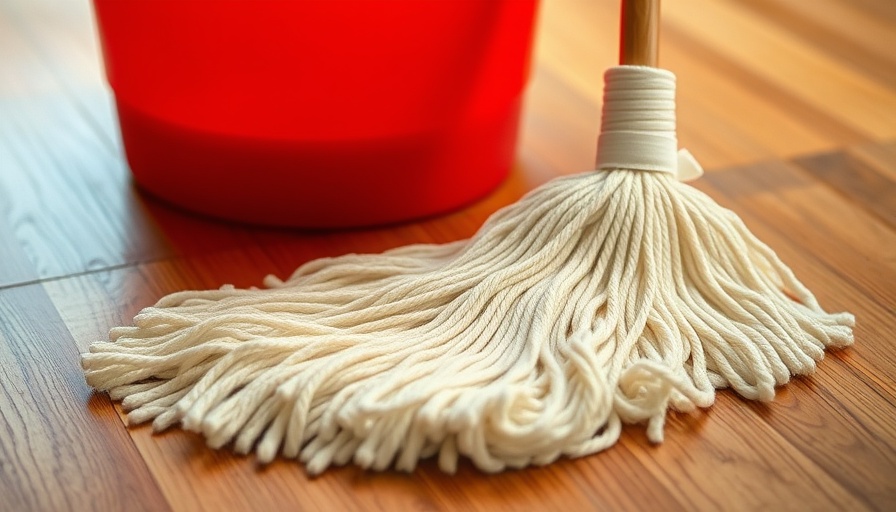
Close-up of mop and bucket on a wooden floor showing how to mop a floor.

Why Proper Mopping Matters

Understanding the right way to mop a floor goes beyond aesthetics; it greatly impacts the hygiene and lifespan of your flooring. Improper techniques can lead to buildup of dirt, grime, and bacteria, making your floors a health hazard. Not to mention, it can damage the materials of your floor over time, leading to costly repairs or replacements. A clean floor not only enhances the visual appeal of your home but also promotes a healthier living environment.

Preparation is Key: Clear the Clutter

Before mopping, ensure your floors are entirely clear of furniture and obstacles. This enables you to access all areas, including those hard-to-reach spots. If you are hesitating to move heavy items, consider using furniture sliders to ease the task. Properly prepared floors allow for more effective cleaning and less chance of missing sections.

The Importance of Sweeping Before Mopping

A common misconception is that mopping alone can adequately clean a floor. However, sweeping or vacuuming is crucial as it removes dust, debris, and pet hair that can create muddy messes when wet. Skipping this step can leave your floor looking worse after mopping, defeating the entire purpose of the task. Use a soft broom or a vacuum cleaner to prep the area before mopping, assuring optimal results.

Choosing the Right Cleaning Solution

Not all floors are created equal, and neither are the products you use on them. For instance, hardwood floors require pH-neutral cleaners to avoid damage, while vinyl can be effectively cleaned with vinegar solutions. Understanding the specific needs of your flooring type makes a significant difference in the long-term maintenance:

  • Hardwood: Use mild soap—harsh chemicals can damage the finish.
  • Laminate: Similar to hardwood, use a damp mop and clean spills immediately.
  • Vinyl: A vinegar-water mix cleans effectively without sticky residues.
  • Ceramic Tile: Vinegar is great for tackling odors and germs.

Always test any new cleaning solution in a small, inconspicuous area first to avoid adverse reactions.

Step-by-Step Guide to Mopping

When you’re ready to mop, here’s a step-by-step guide to ensure effective results:

  1. Clear the Room: Remove furniture and obstacles.
  2. Sweep Thoroughly: Vacuum or sweep the entire area.
  3. Prepare Your Bucket: Use two buckets—one with cleaning solution and one with clean water to rinse your mop.
  4. Start from the Corner: Work your way back, preventing foot traffic over your clean floor.
  5. Maintain Your Mop: After use, wash the mop to prolong its lifespan; hang to air dry.

Following these steps will ensure a thorough clean and contribute to prolonging the beauty and longevity of your flooring.

Hydration is Key: Avoid Over-Saturation

One critical mistake while mopping is using too much water. A mopping technique that leaves the floor soaked can be detrimental, especially for materials like hardwood or laminate that are porous and sensitive to moisture. Wring out your mop thoroughly; it should be slightly damp, not dripping.

Know Your Floor: Tailoring Your Approach

Each flooring type has its own unique maintenance needs. For example, stone tiles require a milder pH-neutral cleaner to avoid damage from harsh chemicals, while vinegar can work wonders on ceramic floors. Recognizing the specific needs of your flooring will lead to cleaner surfaces and fewer repairs in the long run.

Actionable Insights for a Sparkling Finish

Consider creating a schedule for mopping depending on the traffic in specific areas of your home. High-traffic zones may need more frequent cleaning, while less used areas could be addressed less often. By having a plan, you can maintain that fresh, sparkling finish effortlessly.

The Emotional Rewards of a Clean Home

A clean home environment nurtures not only aesthetics but also emotional well-being. Walking on a freshly cleaned floor can instill a sense of pride and comfort, making your living space more enjoyable. Embrace the benefits as a motivation to perfect your mopping technique.

Next time you grab your mop, remember these insights and techniques to achieve a cleaner, healthier home. A little preparation and knowledge go a long way in floor maintenance. Consider making mopping a well-planned routine that contributes to a brighter, healthier living space, making every sweep and swipe count!

Featured

15 Views

0 Comments

Write A Comment

*
*
Related Posts All Posts
12.09.2025

Transform Your Space with Stunning Ceiling Bathroom Lighting Ideas

Update Shining a Light on Bathroom Design Trends Revamping your bathroom's ceiling lighting can significantly enhance your space, providing the perfect balance of form and function. In light of recent design trends, this guide will explore contemporary ceiling lighting ideas that are both stylish and practical. Perfect for anyone looking to transform a mundane bathroom into a serene retreat, these lighting solutions bring functionality while creating a luxe atmosphere. Importance of Lighting in Bathroom Design The right ceiling lighting is essential in defining the ambiance of your bathroom. This often-underestimated element can uplift the overall aesthetic, making even the smallest spaces feel grand. With advancements in lighting technology, options now range from energy-efficient LEDs to smart lighting systems, offering endless possibilities for creativity. 1. Emphasize General Lighting Begin your bathroom remodel by considering general lighting that provides a comprehensive illumination. Using overhead fixtures makes a world of difference, especially if you focus on areas where light is crucial, such as near the vanity and shower. Flush-mount fixtures or recessed lighting ensures you achieve a bright, clear space that remains stylish. 2. Layering for Depth and Functionality Experimenting with various types of lighting creates depth and interest in your bathroom. Employing a mix of ambient, task, and accent lighting can illuminate key spaces effectively. For instance, brass fittings can add elegance while sconces beside the mirror provide focused light for grooming tasks. 3. Statement Chandelier for Luxury Why not add a touch of glamour? A chic chandelier can serve as a stunning focal point. Adding a modern or vintage chandelier not only elevates your bathroom's decor but also offers ambient lighting throughout the space. Popular choices include crystal chandeliers or metallic finishes that tie together contemporary themes. 4. Incorporating LED and Smart Lighting LEDs are revolutionizing bathroom lighting with their long-lasting nature and energy efficiency. Moreover, smart lighting systems allow for customizable settings that match different moods, from bright light for a morning routine to a soft glow for relaxing evenings. Imagine controlling your lighting with just your voice—a perfect marriage of luxury and convenience! 5. Ambient and Accent Lighting Introduce ambient lighting for an overall glow and accent lighting to highlight specific features, such as artwork or architectural details. Consider recessed lighting above a bathtub or a backlit mirror to create an inviting atmosphere. This layered approach gives your bathroom a spa-like feel, making it a sanctuary for self-care. Using Natural Materials Natural materials like wood and stone are trending in 2025 bathroom designs. Combining these elements with strategic lighting choices enhances warmth and makes your space feel grounded. Wooden accents, especially when paired with pendant or geometric light fixtures, create a serene environment that invites relaxation. 6. Color and Textures Matter Have fun with colors in your bathroom lighting. Whether you prefer cool tones for a tranquil vibe or warm hues for a cozy atmosphere, color impacts mood and style. Textured lampshades or unique fixtures can act as art pieces while also serving important lighting functions. Conclusion: Transform Your Bathroom with Lighting As you explore these bathroom ceiling lighting ideas, consider how each element can reflect your personal style while fulfilling practical needs. A successful lighting design involves balancing beauty and functionality for a cohesive and serene atmosphere. Take the plunge and elevate your bathroom into a well-lit haven that's both stylish and personal. Discover the latest lighting options available today and start your journey toward a transformed, serene retreat.

12.07.2025

How to Fix Scratches on Engineered Hardwood Floors: A Detailed Guide

Update Understanding Engineered Hardwood Floors: Beauty Meets DurabilityEngineered hardwood floors have become a staple in modern homes due to their resilience and aesthetic appeal. However, even the strongest materials can fall victim to wear and tear over time. It's no surprise that homeowners may encounter scratches on their beautifully crafted flooring, leaving them to wonder how to restore its original allure. Understanding the various approaches to fix scratches can save money and bring back the shine to your floors. This guide will dive deep into effective techniques tailored for a range of scratch severities.Light vs. Heavy Scratches: Knowing the DifferenceBefore tackling scratches, it’s essential to identify their depth. Light scratches typically affect only the wood veneer and can be easily buffed out. However, deeper scratches can expose the core, requiring a different repair approach. Homeowners can utilize specific techniques based on the type of damage to restore their floors to pristine condition. Effective diagnosis allows for the most appropriate repair measures to be applied.Buffing Out Light Scratches with EaseLight scratches can often be resolved with simple buffing techniques. Use fine-grit sandpaper in the direction of the grain to delicately smooth out the scratch, being cautious not to damage the veneer. After buffing, clean the area with rubbing alcohol to remove any debris. This simple yet effective method can rejuvenate the floor's surface, making marks nearly invisible again.Essential Items: What You’ll NeedThe first step towards scratching repair is gathering the appropriate tools. This includes:Rubbing Alcohol: To clean the scratched area.Fine-Grit Sandpaper: For buffing out light scratches.Wax Repair Kit: A color-matched kit specifically designed for wood floors.Scratch Concealer: Ideal for those deeper, more noticeable scratches.Microfiber Cloths and Putty Knife: These assist in applying and smoothing out the repair products.Having these items on hand will facilitate a smoother, more efficient repair process.Applying Wax: The Go-To Solution for Deeper ScratchesFor moderate to heavy scratches that extend beyond the veneer, applying wood floor wax is often the most effective method. Choose a wax that closely matches your floor's color and ensure the surface is clean beforehand. Use a putty knife to carefully fill in the scratch with the wax, smoothing over any excess. This method not only covers the scratch but also adds a protective layer to preserve the floor’s finish.Utilizing Scratch Concealer to Mask DamageScratch concealers can serve as a magic wand for visible damage on your hardwood floors. They are designed to seal the scratches and restore the color of the wood. Simply follow the manufacturer’s instructions: clean the scratched area, apply the concealer, and let it cure beneath light. Doing this will effectively reduce the visibility of white lines from deeper scratches, returning your floor's beauty.Refinishing: The Ultimate FixIn cases where scratches remain stubborn after other methods, refinishing the floor may become necessary. This process involves sanding down the floor's surface and applying a new layer of finish. This method is more labor-intensive but offers a complete rejuvenation of your hardwood floors. Homeowners should evaluate whether they are equipped for this DIY project or if they should consult a professional.The Importance of Regular MaintenanceTo prolong the life of your engineered hardwood floors and minimize scratches, incorporate a regular maintenance routine. This may include sweeping or vacuuming to prevent dirt accumulation and utilizing protective pads on furniture to avoid nicks. Proper care not only enhances the appearance but also preserves the value of your investment.Conclusion: Take Your Floors Back to Their BestScratches on engineered hardwood can be bothersome, but they are far from a death sentence for your flooring. By equipping yourself with the right knowledge and tools, you can tackle these imperfections head-on. Whether you’re buffing out, waxing, or utilizing concealers, restoring your floor's beauty is possible!Don’t let scratches dictate the aesthetics of your home—give your engineered hardwood floors the attention they deserve and enjoy their beauty again.

12.03.2025

Wondering Why Your Water Heater Is Leaking? Here's What You Need to Know

Update Understanding the Causes of Your Water Heater Leak Experiencing a leak in your water heater can be a perplexing and frustrating issue for homeowners. Water pooling around the heater can lead to water damage, mold, and even hazardous conditions if left unchecked. To address this issue effectively, it's crucial to identify the source of the leak. Common Types of Water Heater Leaks Water heaters comprise several interconnected components, and leaks can stem from various sources. The two most common types of leaks involve the tank and the connections to pipes: Tank Leaks: These are generally the most severe leaks, typically caused by rust or sediment buildup. If the tank itself is compromised, it often requires complete replacement. Connection Leaks: Leaks at the pipes or fittings are more common and can usually be repaired by tightening or replacing faulty components. Identifying the Leak Source If you notice water accumulating at the base of your water heater, several potential sources might be the culprit: Drain Valve: This valve, located at the bottom of the tank, can become loose or damaged, causing leaks. Check for moisture around it and tighten if necessary. Temperature and Pressure Relief (T&P) Valve: If the T&P valve is faulty or the system is over-pressurized, it can leak. Inspect this valve regularly to ensure it's functioning properly. Temperature Readings: Excessive heat can lead to leaks as well. Most manufacturers recommend a temperature setting between 120°F to 140°F to prevent overheating. Diagnosing Your Water Heater Issues To monitor and manage potential leaks: Routine Maintenance: Regularly check your water heater for signs of wear, such as rust or unusual noises, which can indicate underlying problems. Flushing the Tank: Sediment buildup can cause overheating and subsequent failures. Flushing your water heater annually can help maintain its health. When to Call a Professional While some leaks can be fixed by homeowners with moderate plumbing skills, more serious issues—like a leaking tank—should be handled by professionals. Additionally, if you're uncomfortable diagnosing the issue, it's wise to contact a licensed plumber. They can ensure repairs comply with local codes and standards, reducing the risk of future problems. Conclusion: Proactive Steps to Ensure a Leak-Free Water Heater Proactively addressing potential leaks in your water heater can significantly extend its lifespan and prevent extensive water damage in your home. Regular inspections and maintenance checks can help catch problems early. If you notice a leak, determining the cause quickly and implementing the appropriate repairs can save you time and money in the long run.

Terms of Service

Privacy Policy

Core Modal Title

Sorry, no results found

You Might Find These Articles Interesting

T
Please Check Your Email
We Will Be Following Up Shortly
*
*
*