Add Row
Add Element
Add Element
  • Home
  • Categories
    • Makeovers DIY
    • Contractor Services DFY
    • Home Experts DWY
    • Smart Home Upgrades
    • Outdoor Living
    • Down Sized Living
    • Featured
    • Community Causes
October 16.2025
3 Minutes Read

Essential Guide to Inclusions and Exclusions in Real Estate

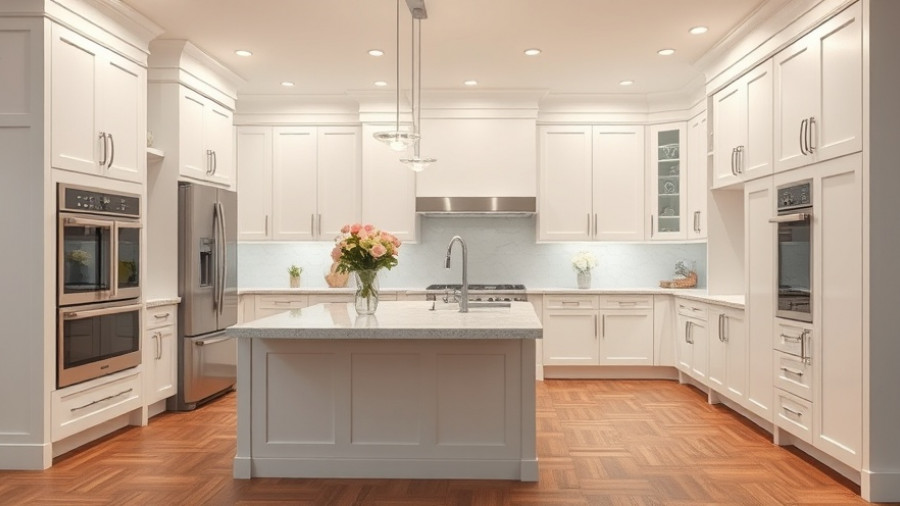
Modern kitchen inclusions and exclusions in real estate.

Understanding Inclusions and Exclusions in Real Estate

Welcome to the essential guide for navigating the often confusing world of inclusions and exclusions in real estate! Whether you’re a first-time homebuyer or someone looking to sell, comprehending what stays and what goes can save you from significant headaches down the line.

In any real estate transaction, the terms "inclusions" and "exclusions" are pivotal. Inclusions refer to items permanently attached or built into the property—think kitchen fixtures and built-in appliances. Exclusions generally comprise personal property that the seller plans to take with them, such as free-standing appliances or decorative items like curtains or potted plants.

Don’t Assume: The Importance of Clarity

Often, buyers assume that everything they see during a property showing will remain. However, this is not always true. To prevent last-minute surprises, it's crucial to verify inclusions and exclusions in your purchase agreement before signing. No detail is too small to confirm!

As a homebuyer, engaging in detailed communication with your real estate agent can clarify any uncertainties regarding what’s included. For example, if the property boasts that charming koi pond, but it’s not specifically listed as an inclusion, you might face disappointment on moving day.

Negotiating: A Balancing Act

Once you know what you want, you'll need to negotiate effectively. This means being clear about your non-negotiables—like that custom refrigerator or patio set you’ve fallen in love with—before you submit your offer. Be sure to document everything in writing. As they say, "If it’s not in writing, it didn’t happen!"

During negotiations, both buyers and sellers would do well to prioritize flexibility. For instance, a seller may have sentimental attachments to certain fixtures or decor, which could lead to room for compromise. Open discussions held early on will foster goodwill and clarity for both parties.

Tips for First-Time Buyers

For those new to real estate transactions, here are a few strategies:

  • Prioritize: Determine which items are essential to your experience in the home.
  • Early Inquiry: If you're uncertain about an item, ask early during showings to avoid emotional attachments to things that may be excluded.
  • Include Clear Specifications: Ensure that your agent lists inclusions and exclusions comprehensively in your purchase agreement to protect your interests.

Local Insights and Practices

Understand that local customs surrounding inclusions may vary. For instance, in some regions, certain fixtures like heating systems are automatically included unless specified otherwise. Knowledge of these norms not only prepares you but also empowers you in discussions with your agent, enabling better outcomes.

Additionally, be aware that landscaping and outdoor features may prompt questions. Usually, roots-in-the-ground plants are included in sales, whereas potted plants or decorative ornaments may challenge you during negotiations.

Best Practices for a Smooth Transaction

1. **Detailed Documentation:** Make sure every agreed-upon item is clearly documented in the final sales contract. This prevents any misunderstandings about what is or isn’t included.

2. **Inspect Inclusions:** Before closing, all included items should be in working order. If something is broken, it may lead to problems later. Document the condition of included appliances and fixtures.

3. **Consult Experts:** Always rely on seasoned real estate professionals for advice, guidance, and support throughout the process.

Your Next Steps

Embarking on a real estate journey, whether buying or selling, can feel overwhelming. However, understanding inclusions and exclusions can provide clarity and empower your decisions. Stay informed, ask questions, and ensure everything is documented—these are keys to a successful transaction!

For further assistance, don’t hesitate to consult your real estate agent. Their expertise will be invaluable in helping you navigate these complexities and ensuring your new home is everything you envisioned.

Home Experts DWY

19 Views

0 Comments

Write A Comment

*
*
Related Posts All Posts
02.20.2026

How to Wire Money Safely During Closing: A Guide for Homebuyers

Update How to Wire Money Safely During Closing: A Guide for Homebuyers As you prepare to close on your new home, understanding how to wire money safely is crucial. The sheer amount of money involved in a real estate transaction can be daunting, with homebuyers often wiring tens or hundreds of thousands of dollars to title or escrow companies. Thankfully, the process of wiring money for closing is standard practice today, and with the right knowledge, you can ensure that your funds are transferred securely and efficiently. The Importance of Wire Transfers in Real Estate Transactions Wiring money at closing means sending funds electronically from your bank account directly to the escrow company, essentially treating the transaction as cash. This method is preferred over checks because wire transfers are fast, verified, and typically irreversible, making them a dependable choice for significant financial transactions. While it may seem intimidating initially, many people successfully wire money for closings each day. Step-by-Step Guide to Wiring Money Here are some important steps and precautions for wiring money for your home closing: Verify the Wire Instructions: You will receive wiring instructions from your title or escrow company, usually a few days before closing. These instructions often include sensitive information such as the bank name, routing number, and account number. It's crucial to verify this information by calling the title company directly using a phone number from their official website. Be cautious of emails that may contain altered details; many fraud cases stem from impersonators sending changed wiring instructions. Understand Your Bank’s Policies: Each bank has its wire transfer limitations and fees. Be aware of your bank's regulations around wire transfers—this includes daily limits that could affect your ability to send the total cash required to close. Check Your Closing Amount: Make sure to review the closing disclosure carefully to confirm the total amount you need to wire, which includes your down payment and various closing costs. Misunderstandings at this stage can lead to complications. Initiate the Wire Transfer: Wire transfers can usually be done in person, over the phone, or online via your bank’s portal. Many banks require in-person transactions for significant amounts, so confirm this detail ahead of time. Double-Check Everything: Before sending your wire, verify that all details are correct. Once a wire transfer is initiated, it cannot be reversed! Confirm Receipt: After you've sent the wire, contact the escrow or title company to confirm receipt of the funds. Keep your transfer receipt as proof. Crime Preventative Measures in Wire Transfers With over $446 million lost to real estate wire fraud as reported by the FBI, it's essential to employ crime-preventative measures during your transaction. Here are some recommended practices: Use Secure Communication Tools: Reputable title companies often use secure platforms rather than email for sending wire instructions. CertifID is one such platform that analyzes your device for security vulnerabilities, ensuring your wiring instructions are legitimate. Educate Yourself on Fraud Risks: Familiarize yourself with common scams which typically involve criminals posing as real estate agents or title companies to direct funds to their accounts. Knowing these tactics can help you avoid falling victim. Document Everything: Maintain accurate records of all communications, instructions received, and confirmations made. In the event of fraud, documentation is crucial for potential recovery efforts. In Conclusion: Buy a Home with Confidence Buying a home is undoubtedly one of the biggest financial decisions you’ll ever make. When you take the necessary steps to understand the wiring process, you can approach your closing day with confidence. Take the time to verify every detail and utilize modern security measures to protect your transaction. Whether it's using platforms like CertifID or ensuring communication with your title company is direct and secure, every effort you make to safeguard your funds is an effort invested in your future as a homeowner!

02.19.2026

Raising a Roof: Essential Insights for Homeowners Considering This Major Renovation

Update Is Raising a Roof the Right Choice for You? For many homeowners, the prospect of raising the roof can seem daunting yet exciting. With rising home prices and a desire for more space, this renovation option allows families to transform their current living situation without the complexities of relocating. However, understanding the full implications of such a significant home improvement is vital. What Does It Mean to Raise a Roof? Raising a roof generally involves elevating the existing roof structure. This may create higher ceilings or additional living space, potentially converting an unused attic into a functional area. Homeowners often choose this route to add bedrooms or improve the overall aesthetic of their home, particularly if it feels cramped or dated. Understanding Structural Considerations Before any renovation, serious structural planning is essential. Renee Ramey from the Metal Roofing Alliance emphasizes the importance of selecting appropriate materials based on weight and local weather conditions. For example, heavier materials like slate or clay tiles might necessitate additional structural reinforcement, whereas metal roofing could be a lighter, durable alternative. It's crucial for homeowners to consult engineers and architects to uphold safety standards. The Cost Factor: Budgeting for Your Roof Raising As enticing as raising your roof can be, it’s undeniably a substantial financial undertaking. Costs can range from approximately $22,500 to $60,000, depending on several factors, including your home size and the materials chosen. Unlike a quick home makeover, this project might take several months to complete, factoring in time for planning, obtaining permits, and actual construction. The investment also features costs like architectural design and labor which should not be overlooked. Time Frame: Planning and Execution The timeline for raising a roof can vary significantly based on the project's complexity. Generally, it may take anywhere between 8 to 16 weeks to complete, encompassing the planning phase with architects and contractors, inspections, and final construction. Therefore, it's critical to prepare yourself for the duration and potential challenges along the way. The Resale Value Perspective From a real estate viewpoint, the financial benefits of raising your roof can be substantial. Properties in high-demand areas that undergo roof-raising projects often see an increase in value, making them more appealing to prospective buyers. However, it's essential to consider if this renovation aligns with local market trends; for some homeowners, it may increase resale value significantly. Alternatives to Raising the Roof If the project feels too expansive, homeowners still have options to create a sense of space. Suggestions include the strategic use of lighter colors in decoration and opting for design elements like exposed beams to draw the eye upward. In cases where raising ceilings is not feasible, these modifications can still breathe new life into a space. Expert Guidance is Key Ultimately, embarking on a roof-raising project should not be a solo decision. Engaging seasoned professionals will ensure that design and structural changes are in harmony with safety regulations and your vision. Expert evaluations of your home’s framework can also save homeowners from costly mistakes. In conclusion, raising your roof offers appealing benefits but requires thorough consideration and careful planning. Should you decide to pursue this venture, experienced roof contractors are available to assist in navigating the complexities involved. Whether you're looking to create additional living space or increase your home's market appeal, taking informed steps can lead to gratifying results for your property.

02.18.2026

Discover 5 Simple Home Updates for Immediate Style and Comfort

Update Transform Your Home with Simple Updates That Make a Big Impact Are you looking to enhance your living space without the hassle of major renovations? Good news! You can effortlessly refresh your home’s aesthetics and comfort with a few easy updates. Whether you’re preparing your house for sale, seeking to refinance, or just want to rekindle your joy for your space, these quick fixes are just what you need. 1. Swap Out Window Treatments for Instant Warmth Your window treatments can dramatically change how a room feels. Outdated blinds can leave a space looking cold and unfinished. By swapping in soft curtains or stylish shades, you not only enhance the aesthetic but also introduce warmth and personality. Designer Maureen Stevens emphasizes that the right window treatments add significant texture without the need for a complete overhaul. When choosing styles, lean towards timeless designs with neutral tones for versatility. 2. Upgrade Lighting to Set the Mood Lighting is crucial in creating ambiance. If your home feels drab, consider updating fixtures to more modern options. Changing the lighting can instantly elevate a space, making it feel more inviting and contemporary. Interior designer Paige Eisbrenner recommends dimmable LEDs or smart lighting controls to customize the mood for different occasions. This simple change can transform not just how your home looks but how it feels. 3. Refresh Your Walls with a Coat of Paint There’s no simpler way to breathe new life into your home than with a fresh coat of paint. Brightening up spaces with a new color or adding an accent wall can work wonders. As noted in a reference article, such a low-cost upgrade allows you to express your style dramatically. Whether you opt for a bold hue or a soft pastel, freshly painted walls can create an uplifting atmosphere. 4. Update Hardware for a Modern Touch Swapping out door handles, cabinet pulls, and light switch covers is an excellent way to achieve a polished look. This small change can yield significant results, making the entire space feel coordinated and intentional. Unlike larger renovations, updating hardware is both affordable and effortless, allowing you to enhance various areas of your home quickly. 5. Add Simple Décor and Textiles Finally, integrating soft textiles and thoughtfully arranged décor can add layers and nuances to your home’s look. Whether it’s new throw pillows, a stylish blanket, or wall artwork, these items infuse character and comfort into your space. As Ursula Carmona’s ideas suggest, even a simple vignette can encapsulate your personal style and make the home feel more welcoming in just a few minutes. Common Misconceptions About Home Updates Many homeowners believe that significant renovations are necessary to achieve a fresh look. However, simple updates can make substantial improvements without breaking the bank or creating overwhelming chaos. Often, it's the little adjustments that resonate more with visitors and create a lasting impression. Take Control of Your Home’s Aesthetic Today! Whether you're looking to enhance your living environment or increase your home’s value, consider taking those first steps toward improvement with these straightforward tips. The beauty of home updates lies in their ability to fuse functionality with style, transforming ordinary spaces into extraordinary havens.

Terms of Service

Privacy Policy

Core Modal Title

Sorry, no results found

You Might Find These Articles Interesting

T
Please Check Your Email
We Will Be Following Up Shortly
*
*
*